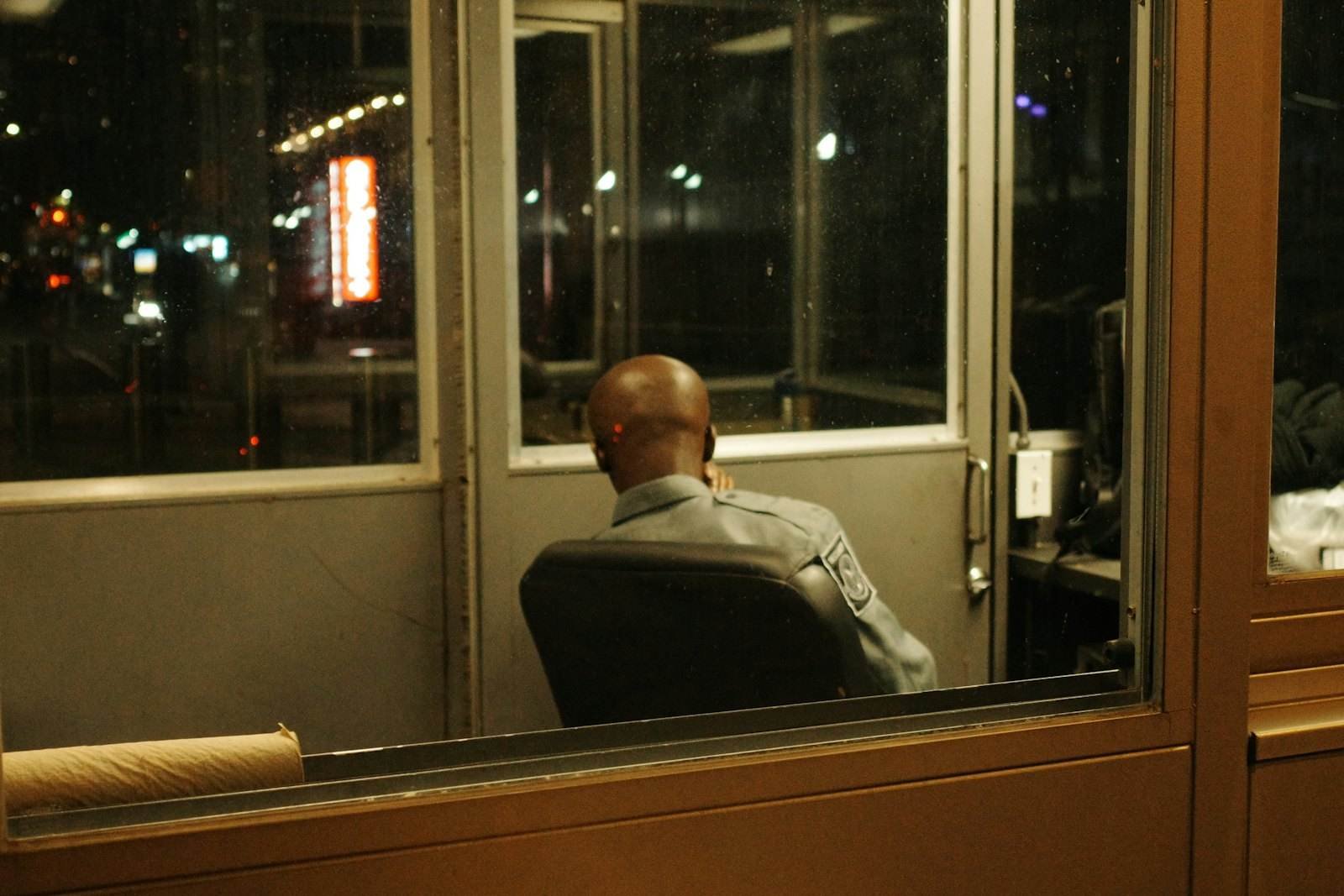
- “Remote monitoring” can mean self-monitoring, system-health monitoring or live operators. Ask which is being sold.
- Live monitoring depends on good cameras, networks and analytics underneath.
- Ask for escalation procedures and false-alarm handling in writing.
Three things people mean by “remote monitoring”
1. Remote access (self-monitoring). Your own staff view live and recorded video from anywhere. This is the most common kind, and it is only as good as the setup: secure connectivity, clear user roles and training.
2. System-health monitoring. Oversight of the system itself: cameras offline, recorders or drives failing, retention not being met. It prevents the most common failure, which is discovering after an incident that the footage doesn’t exist.
3. Live-operator monitoring. Trained operators in a monitoring center watch alerts, verify events and act on them in real time. This is sometimes called virtual guarding.
How live-operator monitoring works
- Detection. Cameras with analytics flag an event, such as a person in a yard after hours.
- Alert. The event and clip are sent to the monitoring center.
- Verification. An operator reviews live and recorded video to decide whether it’s real, a false alarm or authorized activity.
- Escalation. For a real event, the operator follows your plan: audio talk-down where installed, calling site contacts, and notifying authorities where local rules allow.
- Reporting. Events are logged with footage for review.
Monitoring is typically scheduled for the hours when a site is unattended, rather than 24/7. Coverage windows, escalation lists and response expectations should be in the contract.
The foundation it depends on
Live monitoring fails when the system underneath is weak. Operators can’t verify what cameras can’t see, analytics trigger false alarms when placement is poor, and events are missed when the network drops. Well-designed coverage, reliable infrastructure and tuned analytics come first.
Questions to ask a monitoring provider
- Which of the three kinds of monitoring is included?
- Which hours are monitored, and which cameras?
- What is the written escalation procedure?
- How are false alarms handled and reported?
- Who operates the monitoring center, and where is it?
- What happens when a camera or the network goes offline?
Where Siteward stands: we provide secure remote access over a private network with no open ports, unlimited users with per-user permissions, and AI smart alerts sent to your team. We don’t run a staffed monitoring center. See remote access & users.
Start with a free consultation call, then get a zone-by-zone plan and itemized proposal.